Moroccan Sahara

Moroccan Sahara: A Land Recovered After 50 Years and Now Open to the World

For decades, the Moroccan Sahara remained a land marked by history, diplomacy, and patience. Morocco spent nearly 50 years working peacefully and consistently to regain full control over its southern provinces. Today, the region is no longer a political question — it is a stable, secure, and rapidly developing area, open to travelers from all over the world.

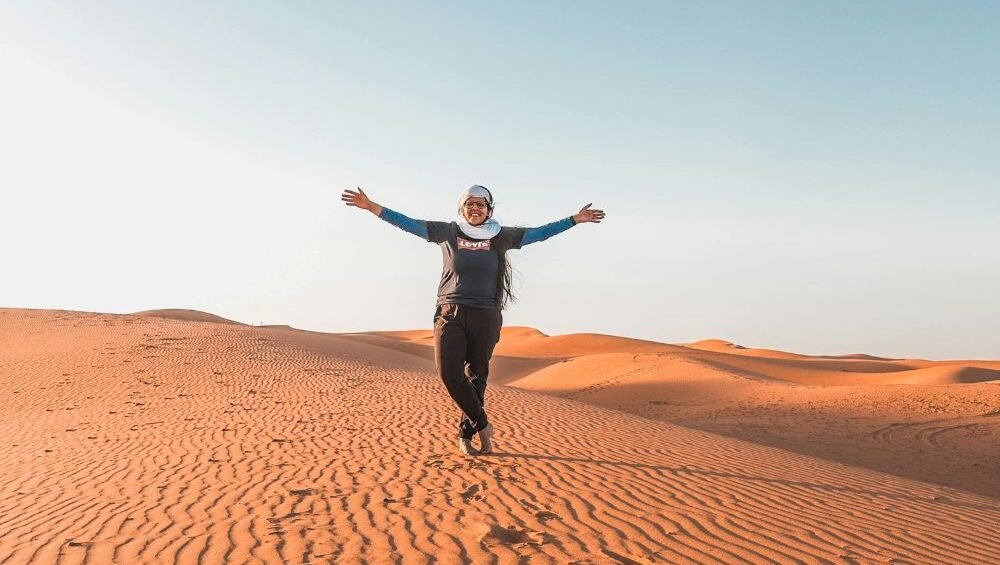
The Moroccan Sahara is now one of the country’s most unique destinations, attracting visitors for its golden dunes, rich culture, and growing cities like Laâyoune, Dakhla, and Smara.

1. A 50-Year Journey to Stability

After the Green March of 1975, Morocco entered a long process of reintegration of the Sahara into the nation.
For decades, major diplomatic efforts, international negotiations, and large development programs were carried out.
Today, most global powers recognize Morocco’s autonomy plan, and the Sahara is fully integrated into the national territory.

The result is a safe, peaceful, and well-administered region, where investments and infrastructure have transformed the area into a thriving part of Morocco.

2. A Destination That Is Now Open and Free to Explore

With stability came development. Morocco invested heavily in the Sahara:

  • modern roads and highways

  • airports in Laâyoune and Dakhla

  • new ports

  • eco-friendly tourism projects

  • hotels, desert camps, and guesthouses

  • kitesurfing and water sports centers

What was once a limited-access zone is today a welcoming, easy-to-travel destination for both Moroccans and international visitors.

Travelers can now move freely from:

  • Marrakech to Merzouga

  • Agadir to Laâyoune

  • Laâyoune to Dakhla

  • Dakhla to the White Dunes and beyond

The region has become one of Morocco’s most important travel and adventure hubs.

3. The Sahara’s Natural Beauty: A Once-Forbidden Treasure

The Moroccan Sahara offers landscapes found nowhere else in the world:

  • the golden dunes of Merzouga

  • the rocky and silent desert of Zagora

  • the crystal-blue lagoon of Dakhla

  • untouched beaches along the Atlantic

  • traditional ksours and desert villages

For decades, much of this land felt distant or inaccessible.
Today, travelers can experience the Sahara with complete ease, comfort, and safety.

4. Dakhla: A Global Tourism and Sports Destination

One of the strongest symbols of transformation is Dakhla.
Once a remote coastal town, it is now a world-famous destination for:

  • kitesurfing

  • lagoon tours

  • desert excursions

  • camping

  • seafood gastronomy

  • wellness retreats

Its natural lagoon makes it one of the best kitesurfing spots in the world.

5. A Region With a Future

The Moroccan Sahara is not only a tourist attraction — it is also a region of economic growth. Ongoing projects include:

  • solar and wind energy farms

  • new highways

  • international events in Dakhla

  • agricultural development

  • expanded airports

After nearly 50 years, the Sahara is now a fully developing region with great potential for tourism, investment, and cultural exchange.

Conclusion

The Moroccan Sahara is no longer a distant or restricted territory — it is a destination full of life, beauty, and opportunity.
After decades of patience and determination, Morocco has transformed the Sahara into a peaceful, stable, and welcoming region that travelers can freely discover.

From Merzouga’s dunes to Dakhla’s lagoon, the Sahara offers unforgettable experiences that reflect Morocco’s resilience, history, and natural wonder.
Marrakech Travel Guide – What to See and Do in 2025

Marrakech Travel Guide: Everything You Need to Know Before Visiting

Marrakech is one of the most fascinating cities in Morocco, attracting millions of travelers every year with its blend of culture, history, luxury, and adventure. Known as the “Red City,” Marrakech offers a unique mix of vibrant souks, ancient palaces, modern districts, desert escapes, and unforgettable experiences for every type of traveler.

This complete Marrakech Travel Guide will help you understand what to see, where to go, when to visit, and how to make the most of your trip.

1. Why Visit Marrakech?

Marrakech stands out because it combines traditional Moroccan culture with modern comfort. Travelers can enjoy historical monuments, beautiful gardens, luxury spas, rooftop restaurants, and day trips to natural attractions.
It is also the ideal starting point for exploring the Atlas Mountains, Berber villages, and nearby deserts.

2. Best Places to Visit in Marrakech

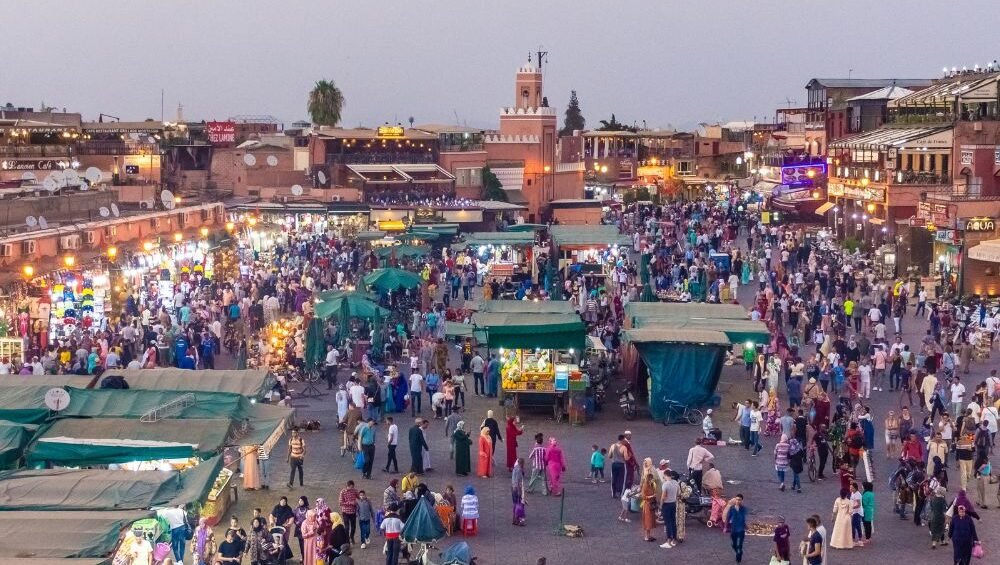
Jemaa el Fna Square

The heart of the city. A cultural hub filled with food stalls, performers, juice stands, and traditional stories.

The Medina and Souks

A maze of narrow streets filled with handicrafts, carpets, leather goods, spices, and souvenirs. Every corner reveals something new.

Majorelle Garden

A beautiful botanical garden created by artist Jacques Majorelle and later restored by Yves Saint Laurent.

Bahia Palace

An architectural masterpiece with stunning courtyards, mosaics, and carved wooden ceilings.

Koutoubia Mosque

The largest mosque in Marrakech, known for its 77-meter minaret visible from across the city.

Menara Gardens

A peaceful place ideal for walking, relaxing, and watching sunset reflections on the basin.

3. Best Day Trips from Marrakech

Marrakech is the perfect base for day trips:

Agafay Desert

A rocky desert offering camel rides, quad biking, luxury camps, and sunset dinners.

Ourika Valley

A beautiful valley in the Atlas Mountains with waterfalls and Berber villages.

Ouzoud Waterfalls

One of the highest waterfalls in North Africa, surrounded by nature and wildlife.

Essaouira

A coastal city known for its medina, seafood, and relaxing beach atmosphere.

4. Where to Stay in Marrakech

Travelers can choose between several types of accommodation:

Riads
Traditional houses inside the medina with courtyards, rooftop terraces, and authentic Moroccan hospitality.

Hotels & Resorts
Modern accommodations located in Gueliz, Hivernage, and Palmeraie, offering pools, spas, and luxury services.

5. Best Time to Visit Marrakech

The best months to visit Marrakech are:

  • March to May

  • September to November

Weather is pleasant, ideal for walking, sightseeing, and outdoor activities.
Summer (June–August) is hot but great for pool and desert activities.
Winter (December–February) is mild and comfortable.

6. What to Eat in Marrakech

Marrakech is a paradise for food lovers. Popular dishes include:

  • Tagine

  • Couscous

  • Tanjia (local specialty)

  • Pastilla

  • Harira soup

  • Fresh orange juice

  • Moroccan mint tea

For street food, Jemaa el Fna is the best place to try everything.

7. Tips for First-Time Visitors

  • Dress modestly in the medina.

  • Always negotiate prices in the souks.

  • Use official taxis or private transfers.

  • Keep small cash for markets and tips.

  • Stay hydrated, especially in summer.

  • Book desert trips with a trusted agency.

Conclusion: Why Marrakech Is a Must-Visit

Marrakech is a city full of energy, beauty, and culture. Whether you are interested in history, shopping, luxury experiences, food, or nature, Marrakech offers something for everyone.
With the right planning, this destination becomes an unforgettable journey filled with colors, flavors, and unique memories.

Best Places to Visit in Morocco – 2025 Travel Guide

What Are the Best Places to Visit in Morocco ?

Morocco is one of the most diverse and exciting destinations in the world, offering a mix of ancient cities, vast deserts, mountains, beaches, and cultural experiences. Whether you are visiting for the first time or returning to discover new areas, Morocco has destinations suitable for every type of traveler.
Here is a complete guide to the best places to visit in Morocco and what makes each location unique.

1. Marrakech – The Red City

Marrakech remains the most popular destination in Morocco thanks to its blend of culture, history, and modern experiences. The city is famous for its vibrant medina, traditional souks, historic monuments, and luxurious hotels.

Top places to visit:

  • Jemaa el Fna Square

  • Majorelle Garden

  • Bahia Palace

  • Koutoubia Mosque

  • Traditional souks

  • Agafay Desert (near Marrakech)

Why it stands out:
It offers a perfect mix of tradition, luxury, food, shopping, and nearby desert experiences.

2. Chefchaouen – The Blue Pearl

Chefchaouen is known for its blue-painted streets, peaceful atmosphere, and beautiful mountain views. It is an ideal destination for couples, families, and photography lovers.

Don’t miss:

  • Ras El Maa

  • The Spanish Mosque viewpoint

  • The old Medina

3. Agadir – Beach and Relaxation

Agadir is Morocco’s leading seaside destination, offering long sandy beaches, modern resorts, and a calm atmosphere suitable for families and travelers seeking relaxation.

Recommended activities:

  • Marina d’Agadir

  • Water sports

  • Beach clubs

  • Day trip to Paradise Valley

4. The Atlas Mountains – Nature and Adventure

From hiking trails to Berber villages, waterfalls, and snowy peaks in winter, the Atlas Mountains offer unforgettable natural experiences.

Best places to explore:

  • Ourika Valley

  • Imlil and Mount Toubkal

  • Ouzoud Waterfalls

  • Ait Ben Haddou village

5. Merzouga and the Sahara Desert

Merzouga is home to the impressive Erg Chebbi dunes, one of the most iconic landscapes in Morocco. It is ideal for adventure lovers and those seeking a unique desert experience.

Highlights:

  • Camel ride

  • Desert camp

  • 4×4 tour

  • Sandboarding

  • Sunrise and sunset over the dunes

6. Fes – The Cultural Capital

Fes is one of the oldest cities in the world and a center of Moroccan culture, crafts, and spirituality. It is perfect for travelers seeking authenticity.

Must-see:

  • Chouara Tannery

  • Al Quaraouiyine University

  • Fes el Bali Medina

7. Casablanca – Modern and Traditional

Casablanca combines modern architecture with traditional Moroccan elements. It is the economic capital of the country.

Top sights:

  • Hassan II Mosque

  • Corniche Ain Diab

  • Old Medina

  • Central Market

8. Essaouira – Coastal Beauty

Essaouira is known for its peaceful atmosphere, clean beaches, and historical charm. It is a great destination for relaxation and outdoor activities.

Top experiences:

  • Medina of Essaouira

  • Skala Fortress

  • Camel or horse riding on the beach

9. Rabat – The Capital City

Rabat is a clean, modern, and well-organized city with many historical monuments and cultural sites.

Key attractions:

  • Hassan Tower

  • Oudaya Kasbah

  • Chellah Ruins

Conclusion: What Is the Best Place in Morocco?

It depends on what you are looking for:

  • For beaches: Agadir

  • For adventure: Merzouga and the Sahara

  • For culture: Fes

  • For photography: Chefchaouen

  • For luxury and nightlife: Marrakech

  • For relaxation: Essaouira

  • For history: Rabat

Morocco’s diversity makes it one of the most complete travel destinations in the world. Whatever your travel style, you will find a city, region, or activity that suits your preferences.